


Why Scalable Systems Matter for Growing Businesses
As businesses grow, their technology requirements evolve rapidly, often at a pace faster than expected. What works efficiently for a startup or small-scale operation can quickly become inadequate as user demand increases, data volume expands, and system complexity rises. Many organizations focus on immediate functionality during the early stages, prioritizing speed of development over long-term sustainability, which can create hidden technical limitations.
While this approach may deliver short-term results, it often leads to performance bottlenecks over time. Systems that are not designed with scalability in mind begin to slow down, experience instability, or fail under increased load. This results in higher maintenance costs, reduced user satisfaction, and operational inefficiencies. Scalability, therefore, should not be treated as a future upgrade but as a core architectural principle that supports consistent growth and long-term reliability.
What Does Scalability Actually Mean?
Scalability refers to the ability of a system to handle increasing workloads, user traffic, and operational complexity without compromising performance, speed, or reliability. A scalable system is designed to adapt dynamically as demand grows, ensuring that applications continue to function smoothly even under high usage conditions.
This capability extends beyond infrastructure alone and includes backend architecture, database optimization, load distribution, and efficient resource management. A well-designed scalable system ensures that growth does not introduce friction, delays, or instability, allowing businesses to expand confidently without being constrained by technical limitations.
Common Problems with Non-Scalable Systems
Systems that are not designed with scalability in mind often begin to show performance limitations as usage increases. As more users interact with the platform, the system struggles to handle the additional load, resulting in slower response times, delayed processing, and overall degradation in performance. Pages may take significantly longer to load, applications may become unresponsive, and in high-traffic scenarios, systems can crash entirely. These issues directly affect user experience, leading to frustration, reduced engagement, and potential loss of customers.
Beyond performance, non-scalable systems also create operational and financial challenges. As demand grows, teams are forced to apply temporary fixes or patches to maintain functionality, which increases technical debt over time. Eventually, resolving these issues requires major intervention—such as restructuring the codebase, migrating to new infrastructure, or redesigning system architecture. These changes are often complex, time-consuming, and costly, especially when compared to implementing scalable solutions from the beginning.
How Scalable Systems Improve Business Performance
A well-designed scalable system ensures that performance remains consistent regardless of fluctuations in user demand. Whether the platform is handling a few users or experiencing peak traffic, the system continues to operate efficiently without slowdowns or failures. This reliability allows businesses to grow confidently, knowing that their technology can support increased activity without compromising stability or user experience.
From a strategic perspective, scalability directly contributes to business efficiency and growth. Optimized systems make better use of resources, reducing unnecessary infrastructure costs and improving overall operational performance. Additionally, scalable systems enable faster deployment of new features, smoother customer interactions, and the ability to adapt quickly to changing market conditions. This creates an environment where innovation can thrive without being restricted by technical limitations.
Key Elements of a Scalable Architecture
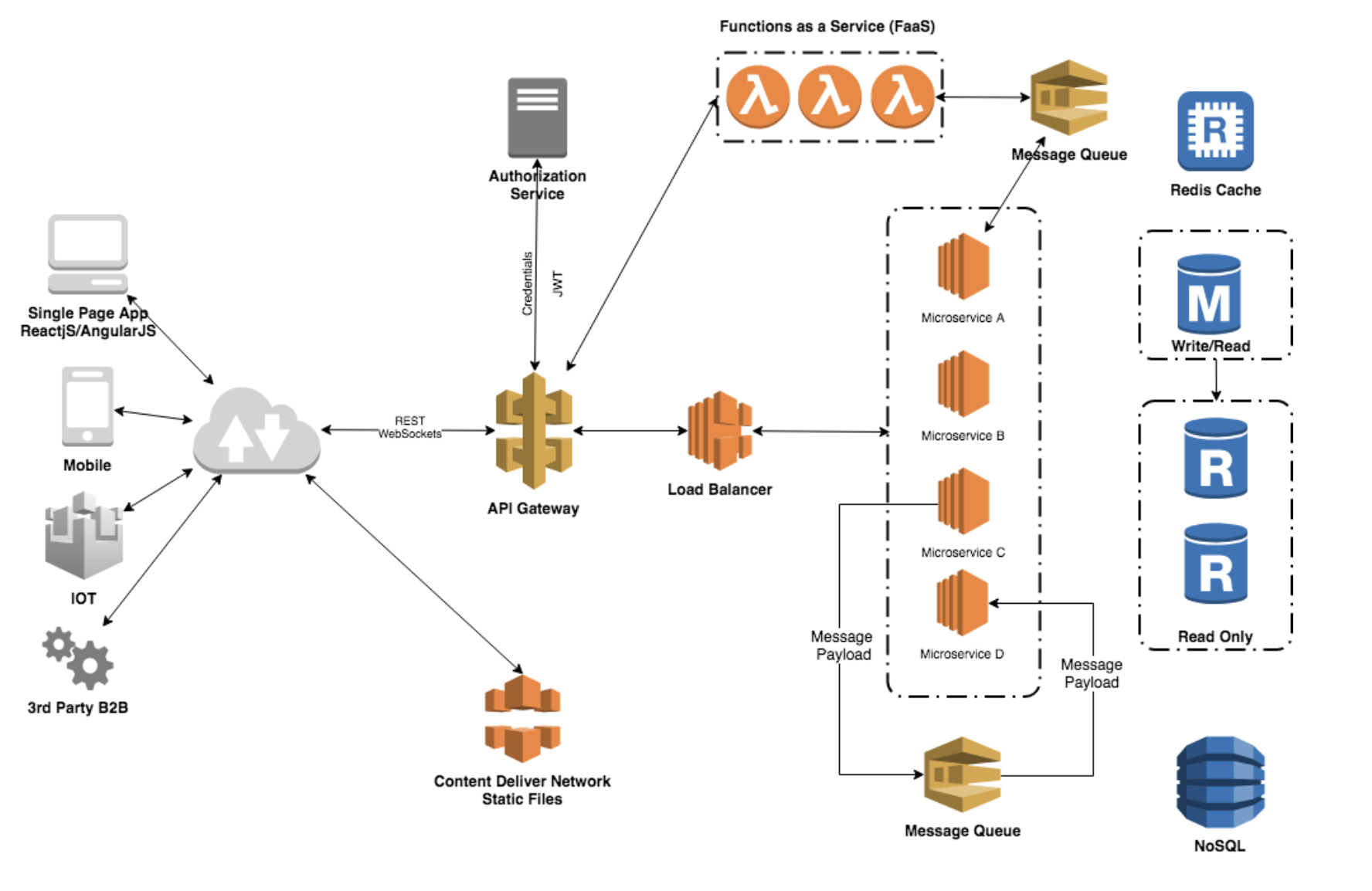
Building a scalable system requires a combination of well-planned architectural components working together seamlessly. Cloud infrastructure plays a critical role by allowing systems to dynamically allocate resources based on real-time demand, ensuring that performance remains stable during traffic spikes. Modular and microservices-based architectures further enhance scalability by allowing individual components of a system to scale independently without affecting the entire application.
In addition to infrastructure and architecture, efficient database design, caching strategies, and load balancing mechanisms are essential for maintaining performance under heavy usage. Automation and real-time monitoring systems also contribute significantly by detecting changes in demand and adjusting resources accordingly. Together, these elements create a flexible, resilient, and future-ready digital ecosystem capable of supporting continuous growth.
Scalability is not about handling growth later—it is about being ready for it from the beginning.
Conclusion
Scalability is a critical factor in building reliable, efficient, and future-ready technology systems. Businesses that prioritize scalable architecture from the early stages are better equipped to handle growth without disruption, maintain consistent performance, and deliver seamless user experiences even as demand increases. Instead of reacting to limitations later, they operate on systems that are already prepared to evolve alongside their business.
In today’s competitive digital environment, systems must do more than simply function—they must remain stable under pressure, adapt to changing requirements, and support continuous innovation. Scalable technology provides this foundation by reducing operational risks, improving efficiency, and enabling long-term flexibility. Ultimately, it ensures that businesses are not constrained by technical limitations, but are supported by systems designed to grow, perform, and sustain success over time.
Leave a Reply